
Feral pigeons (Columba livia) dominate urban sprawl in the State of Florida. Florida’s urban centers can create highly attractive environments for these adaptable birds, but few places are more appealing than open-air shopping centers.
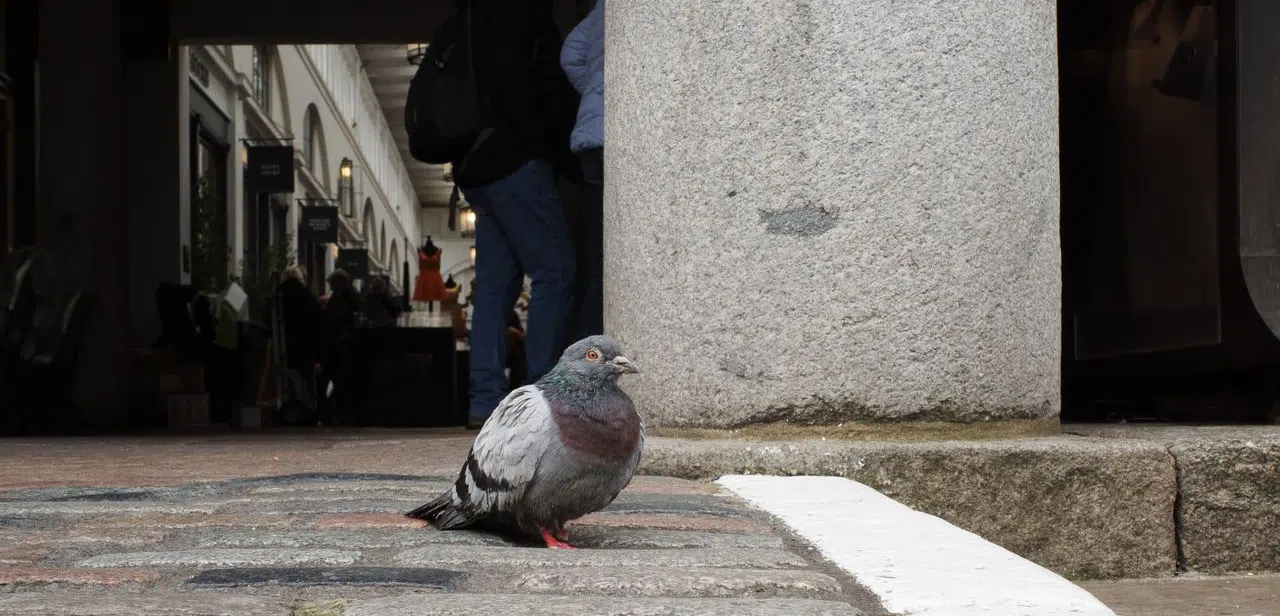
The combination of high traffic, bustling, open food courts, and architectural ledges in these locations can equate to constant bird pressure. While seemingly harmless on the surface, an infestation of pigeons can greatly impact the satisfaction of tenants, the shopper experience, brand perception, and maintenance and liability costs. Many shopping centers may resort to DIY pigeon control methods, but these strategies only work to deter birds short-term. With such heavy statewide pressure from pigeons in urban areas—especially the I-4 corridor and many coastal hubs—these methods merely act as a band-aid solution for a larger problem.
Why Shopping Plazas Attract Pigeons
Shopping plazas are easy targets for pigeon flocks. Food courts, exposed trash, water features, and Florida’s year-round warm climate make these spaces bird magnets. Shopping plazas not only offer pigeons easy food and water, but also plenty of sheltered areas to roost and nest. Pigeons can be frequently spotted along flat rooflines, decorative parapets, signage, and ledges in courtyards, but there are likely many more roosting unseen in more concealed areas.
Risks and Costs of Pigeons Nesting in Shopping Plazas
Brand Degradation and Tenant Complaints
Most noticeably, a pigeon infestation poses an aesthetic concern. Pigeons defecate anywhere from 40 to 50 times per day, and their droppings are large, conspicuous, and prone to staining surfaces. While one bird may not be much of a problem, a full infestation composed of one or more flocks can quickly lead to the accumulation of droppings on high-end signage, storefront glass, or in outdoor dining areas. This can lead to negative reviews from guests and impact brand perception, especially for renting tenants.
Safety and Liability Risks
The buildup of bird dander and droppings is not just a visual concern. Accumulated droppings, particularly on smooth surfaces like tile and linoleum, can become major slip hazards. Droppings are especially slippery when wet, making pigeon waste in open, rainy Florida plazas a slip risk.
Pigeon droppings and dander can carry parasites and bacteria that pose a risk to human health. Old droppings can harbor fungal spores that cause severe respiratory infections like histoplasmosis when inhaled. The presence of pigeons in food courts and dining areas also risks the contamination of tables, countertops, and food itself with pathogens that pigeons carry, such as salmonella and listeria.
Structural Integrity Loss
Pigeon droppings don’t just carry pathogens of concern to human health. They also contain uric acid, a biological acid that is known to severely corrode surfaces. Pigeon excrement has been shown to corrode car paint, metals, stonework, and concrete, especially when droppings are allowed to accumulate and sit for extended periods of time. The corrosive effect of the birds’ waste is made even worse when they end up sitting in or on HVAC units, piping, or gutters, corroding critical building utilities.
Pigeon Behavior in Shopping Plaza Environments
Understanding why the behavior of pigeons makes them difficult to manage is the key to deterring them from shopping plaza spaces. Feral pigeons are hardy cliff-edge nesters that use sheltered sites to nest and roost. These spots can sometimes be hard to come by in their natural environment, so pigeons have very strong site fidelity—a habit of returning to the same proven and reliable nesting and roosting site year after year. Once a flock has adapted to a space and knows that it is full of easily exploitable resources, it becomes much more difficult to deter them. Pigeons swiftly adapt to non-threatening deterrents, or they will simply move to another part of the plaza if pressed enough. This is why pigeon control strategies must be plaza-wide, actually threatening to the birds, and make the site less appealing for future and returning flocks.
Why DIY Pigeon Control for Plazas Fails
Visual Deterrents
Visual deterrents, such as owl and hawk decoys and reflective tape, may seem like a very economical solution to a pigeon infestation. However, pigeons are quick to figure out fake threats. There may be an initial repelling effect from decoys or reflective tape, but birds are usually perching around—or even on—these deterrents within a week of installation. These deterrents often rely on a cheap, short-term scare that doesn’t actually stick. These are not reliable pigeon deterrents for shopping centers when used as a standalone solution.
Sound Devices and Ultrasonic Repellants
Sound devices and ultrasonic repellants are a slightly more advanced form of DIY bird control, and they are often more expensive as a result. Despite this, sound devices are largely ineffective in open-air spaces like shopping plazas, where the sound has more room to disperse. Similarly, improperly installed or tuned sound devices may be more of an irritation to guests and tenants than they are to birds.
Chemical Repellants and Gels
The application of chemical repellants and gels may deter birds from certain spaces, but their efficacy and ability to survive Florida’s climate are debatable. Gels are especially prone to melting during Florida’s hot, humid summers or being washed away by rain, so they may require repeated applications over the course of the season. Even in indoor spaces, chemical repellants can create unsanitary surfaces if not replaced, and they aren’t suitable around food vendors.
Pressure Washing and Nest Removal Alone
Pressure washing and nest removal can address the immediate concern of lingering droppings and growing pigeon numbers, but they do not address the root cause of the issue. Pigeons will continue to roost in areas where they are allowed to feed and feel safe, and they will return to these spaces even after nest removal.
Improper or Partial Bird Spike Installations
How well bird spikes work depends greatly on the type and installation. Bird spikes installed only in select areas will simply move birds around the plaza instead of deterring them from landing altogether. Additionally, certain spike shapes, such as straight metal rods, are actually more conducive to pigeon nest building. Pigeons may stuff nesting material between these spikes to stabilize them on ledges.
If Pigeons are Already Nesting:
Why Disturbing Nests Without a Plan Makes Things Worse
Nest removal may sound like a no-brainer in areas with severe pigeon infestations, but doing it without a plan for further deterrence may actually worsen bird problems. Not only will pigeons usually stubbornly rebuild removed nests in the same place, but some displaced birds will spread nests to other areas of the plaza. There are also plenty of legal and ethical considerations property owners need to be concerned about when thinking of nest removal. Feral pigeons may not be protected by the Migratory Bird Treaty Act—an act that makes tampering with native bird nests and eggs illegal—but this may not be the case in specific local or city ordinances. These legal avenues must be explored before professionals are tasked with the nest removal itself, as species misidentification and the mishandling of nests can subject those responsible to hefty fines.
Immediate Risk Management
If pigeons have already begun nesting, it is important that property owners take action to minimize the immediate risk to tenants and guests. This includes the removal of droppings from high-traffic walkways and excluding pigeons from high-traffic and maintenance zones where possible. It is especially helpful if property owners are able to note where most of their pigeon problems originate. These areas with higher concentrations of droppings, pigeons raiding the trash, and other issues may require more focused sanitation procedures to curb the problem.
How to Get Rid of Pigeons in Shopping Plazas
Professional pigeon exclusion systems can address persistent bird activity by preventing the birds from accessing preferred roosting and nesting areas.
Electric Track Systems
Electric track systems are a promising avenue for pigeon control in specific problem areas. These systems add a small wire on ledges, walls, and signage that provide pigeons with a harmless but startling shock when landed on. These systems are relatively sleek and unobtrusive so they may be utilized in more open parts of the plaza. However, electric track systems require proper installation and a nearby power source, and it is important that they are installed out of reach of the general public.
Structural Bird Netting
Bird netting is a fantastic way of entirely excluding pigeons from certain places. Nets may be custom-made to fit specific locations, but many work well to seal off the undersides of covered walkways, loading docks, recessed entryways, and enclosed maintenance areas. Any bird net must be tensioned to prevent sagging or snagging on equipment, but special considerations must be made for nets that will be outdoors year-round. Outdoor bird netting must be UV- and weather-resistant to prevent the material from degrading over time. While netting is more visible than electric track systems, professional bird netting installation can lessen aesthetic concerns and ensure that nets are durable and built for long-term exclusion.
Ledge Denials
Ledge denial systems come in many forms. Stainless steel spikes are commonly utilized, but metallic ramps that make ledges impossible to perch on are another popular option. These are best installed on non-visible roof ledges, utility pipes, and high gutters where pigeons prefer to perch. Ledge denial systems, much like bird netting, must also be built to withstand Florida’s climate conditions, but they can be a fantastic option for areas that birds are persistently targeting.
Professional Biohazard Decontamination
Before any deterrence measures are installed, there is one important, often-overlooked step that property owners should consider: decontamination. Removal of built-up droppings, dander, and nest material not only helps restore the aesthetic of buildings but may also help prevent pigeons from flocking there in the future. Pigeons have a remarkably sharp sense of smell that they use to navigate and find familiar locations. The professional removal of pigeons also helps remove the scent from the area, which other birds may be drawn to.
Advanced Pigeon Control for Large-Scale Plazas
Falconry for Shopping Centers
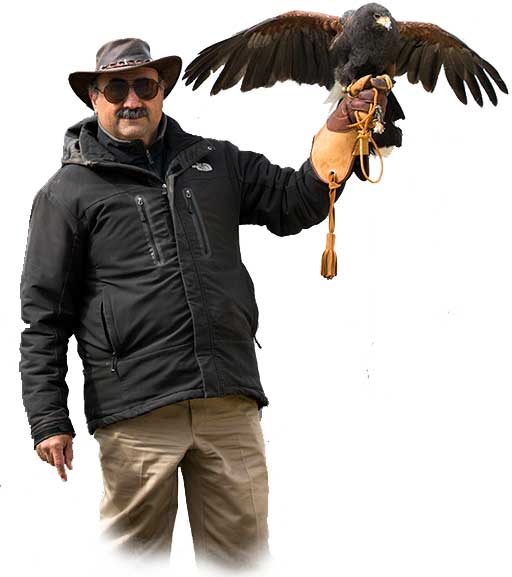
Falconry, the controlled flight of trained birds of prey, is a very efficient method of pigeon control and deterrence for large, open-air plazas. Unlike a decoy hawk or owl, flying a trained raptor for deterrence actually gets pigeons to associate the area with danger. This method utilizes an ecological concept called “the landscape of fear,” meaning that the presence of predators alters the behavior patterns of prey animals. If falconry is consistently used, this association will have a long-term effect. Falconry assists not only in chasing present birds away but also keeping them away and preventing more flocks from settling in the area in the future.
Lasers for Nighttime Roost Dispersal
Lasers are highly useful for scaring pigeons out of favored roosting sites. While not as effective in broad daylight, laser systems are best utilized in the dark, sheltered areas where pigeons prefer to roost and nest. Laser systems can be both automated, requiring specific installation and maintenance, or handheld. These systems are silent and highly effective for clearing out high-volume nighttime roosts.
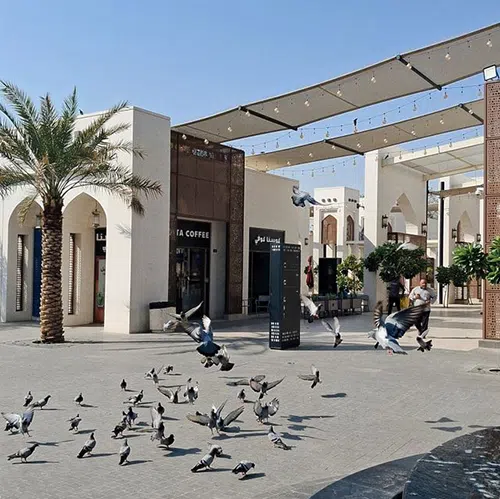 Pigeon Control Strategies Based on Plaza Type
Neighborhood and Strip Plazas
- Targeted exclusion. Pigeon control for retail strip plazas typically focuses on targeted exclusion and protecting the areas where pigeons most frequently roost and nest. Nets may be used to cut off specific access points or covered areas pigeons use for shelter and nesting.
- Preventative ledge protection. Spikes, ledge ramps, or electric track systems can be placed along areas where bird activity is especially problematic.
Large Retail Centers
- Falconry programs. Large, open-air centers are perfect locations to fly a bird of prey for deterrence, providing an effective way to manage larger flocks.
- High-visibility deterrence. Larger retail centers sometimes have the luxury of being able to utilize more visible methods, like spiked or netting.
- Long-term maintenance plans. Larger flocks may require more consistent, long-term work to disperse.
Tourist and Coastal Shopping Plazas
- Continued monitoring and control. While virtually every method can be utilized in some way with these locations, the seasonal nature of their foot traffic may mean a larger plan that adapts with tourism demands is necessary.
What NOT to Do for Plaza Pigeon Control
- Rely on one deterrent. Deterrents are best when used in a targeted way, and what may work for one area may completely fail in another.
- Allow tenants to install their own devices. Improper installation might not only be an eyesore, but it might also be a hazard to guests and tenants alike.
- Trap pigeons without professional oversight. Local jurisdiction may not even allow the trapping of non-MBTA species without a license. Professionals know how to humanely operate a trap, relocate, and dispatch birds when needed.
- Use poisons or unsafe chemicals. Poisons can be both inhumane to birds and dangerous to guests. These chemicals also run the risk of climbing the food chain and killing native Florida wildlife that consume poisoned birds.
Professional Pigeon Removal for Shopping Centers: Why Choose Hawkeye
Hawkeye Bird and Animal Control has over 30 years of experience in bird abatement and control in a wide variety of settings, including shopping plazas. We utilize falconry, trapping, and other forms of bird control for retail plazas, tailoring each plan to our clients’ specific needs. Choose Hawkeye and see what behavior-based and expert-led bird control can do for you. Contact us today!
Contributing writer and researcher: Riley Sullivan
Related Articles:
https://www.hawkeyebirdanimalcontrol.com/blog/pigeon-traps-homing-and-pheremones